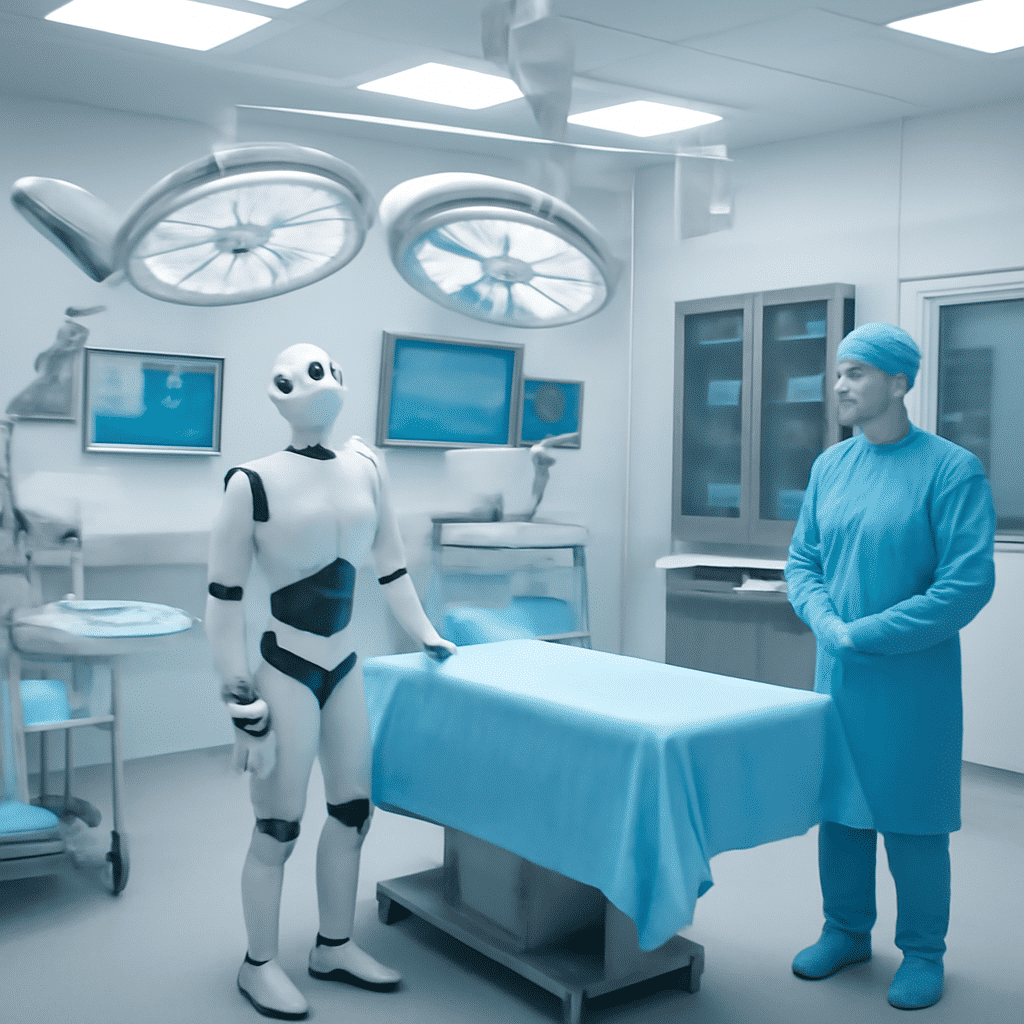
The integration of robotics in healthcare marks a significant turning point in medical science, promising a new era of precision, efficiency, and patient comfort. This technological advancement is reshaping the way healthcare professionals deliver care and how patients experience treatment. From the operating room to rehabilitation centers, robotics is revolutionizing various aspects of healthcare, introducing innovative solutions that could redefine patient care.
Surgical Precision and Minimally Invasive Procedures
At the forefront of this revolution is robotic-assisted surgery, which provides surgeons with unparalleled precision through enhanced visual capabilities and greater dexterity. Robotic systems, such as the renowned Da Vinci Surgical System, empower surgeons to perform complex procedures with minimally invasive techniques. This not only reduces the size of incisions but also minimizes blood loss and the risk of infection. As a result, patients benefit from shorter hospital stays, less postoperative pain, and quicker recovery times.
Rehabilitation Robotics for Improved Recovery
Robotics is also making significant strides in the field of rehabilitation. Robotic exoskeletons and therapy robots are transforming the recovery process for patients with motor impairments, such as those recovering from strokes or spinal cord injuries. These devices provide the necessary physical support and repetitive movements that aid in muscle training and neuroplasticity, enhancing the rehabilitation process. Additionally, robotic rehabilitation solutions can be tailored to meet individual needs, ensuring a personalized therapy plan that maximizes recovery potential.
Enhancing Patient Care with Robotics
Beyond the operating room and rehabilitation centers, robotics is improving overall patient care in hospitals and healthcare facilities. Robotic systems are being used to assist with routine tasks like patient mobility, medication dispensing, and even engaging in social interactions with patients. In crowded hospitals where the demand on staff is high, such robotic aids ensure that routine yet essential tasks are efficiently managed, allowing healthcare professionals to focus more on direct patient care.
Moreover, advancements in artificial intelligence (AI) and machine learning are seamlessly integrating with robotics, enabling the development of autonomous systems that can analyze and interpret data to predict patient needs and potential complications. This capability empowers medical teams with actionable insights that can lead to early interventions and more effective treatment strategies.
Challenges and Future Implications
While the benefits of robotics in healthcare are numerous, there are challenges that need to be addressed to fully harness its potential. Issues related to cost, accessibility, and the need for specialized training are key considerations. As technology continues to advance, it will be crucial to ensure equitable distribution of these robotic solutions across different socio-economic settings to prevent widening the gap in healthcare access.
Looking ahead, the potential for robotics in healthcare is limitless. Continuing advancements are expected to further refine surgical techniques, improve diagnostic accuracy, and expand the capabilities of rehabilitation devices. As robotics becomes increasingly integrated into everyday healthcare practices, the ultimate goal remains the same: to enhance the quality of care and improve patient outcomes across the board.
In conclusion, the application of robotics in healthcare is not merely an enhancement; it is a transformation. By offering precision, efficiency, and improved patient interaction, robotics is setting a new standard in medical care and has the potential to profoundly change the landscape of healthcare in the years to come.