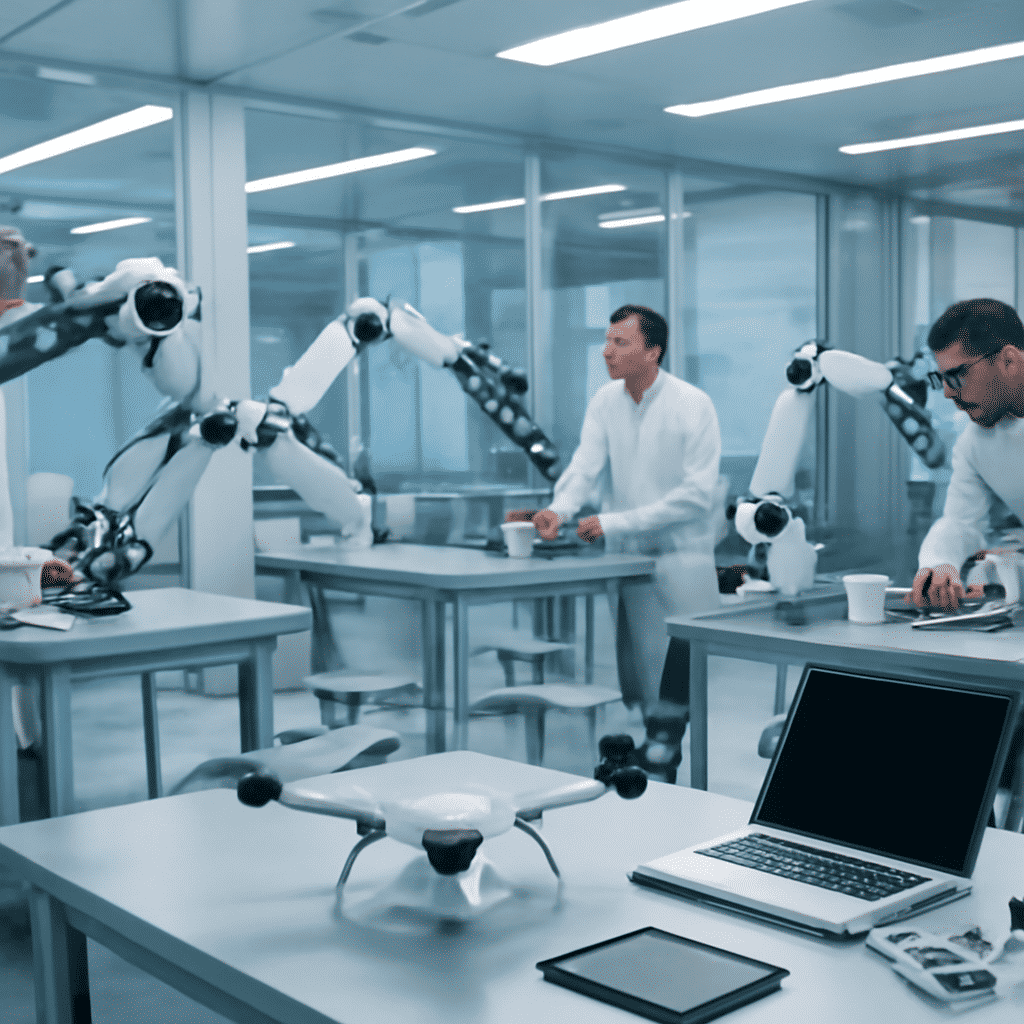
In recent years, the field of robotics and artificial intelligence (AI) has made remarkable strides, setting the stage for a profound transformation across various industries. These technological advancements not only promise to enhance efficiency and productivity but also aim to significantly improve the quality of human life. From healthcare to manufacturing, the integration of robotics and AI technology is creating new paradigms of operation.
One of the most significant developments in robotics is the creation of collaborative robots, or cobots, which are designed to work alongside humans in shared spaces. Unlike traditional industrial robots that operate in isolation due to safety concerns, cobots are equipped with sophisticated sensors and AI algorithms to detect and adapt to human presence. This makes them ideal for tasks that require manual dexterity, precision, and adaptability, such as assembling electronics or packaging delicate goods. As these robots become more versatile, they are expected to facilitate a more flexible and efficient workforce, allowing humans to focus on more complex and creative tasks.
Another sector witnessing a revolution is healthcare. With the advent of surgical robots, AI-powered diagnostic tools, and rehabilitation robotic systems, patient care is entering a new era. Surgical robots, for instance, offer unprecedented precision and control during procedures, which reduces recovery times and improves patient outcomes. AI algorithms, on the other hand, assist in predicting patient issues by analyzing vast amounts of data, enabling early intervention and personalized treatment plans. Furthermore, robotic exoskeletons and prosthetics are empowering individuals with mobility impairments, providing them with newfound independence and improving their quality of life.
In agriculture, robotics and AI are enhancing food production systems to meet the challenges of a growing global population. Autonomous tractors, drones for crop monitoring, and robotic harvesters are helping farmers increase yield while minimizing resource waste. AI-driven analysis of soil and weather data allows for more efficient use of water and fertilizers, promoting sustainable agricultural practices. This technological infusion not only boosts food security but also preserves the environment by reducing the ecological footprint of farming activities.
The integration of robotics in manufacturing has also ushered in the era of Industry 4.0, characterized by smart factories with interconnected systems. AI technologies facilitate real-time monitoring and predictive maintenance of machinery, minimizing downtime and optimizing production processes. Furthermore, advanced robotics enable mass customization, where products are manufactured to meet individual customer needs without compromising efficiency. This shift is transforming manufacturing from a rigid, standardized process to a dynamic, responsive system that adapts to market demands.
While these advancements hold immense potential, they also raise important ethical and societal considerations. The displacement of jobs due to automation and the need for upskilling the workforce are critical issues that need addressing. Moreover, as AI systems become more autonomous, questions about accountability, privacy, and the ethical use of data become increasingly pertinent. Fostering a dialogue among technologists, policymakers, and society at large is essential to navigate these challenges and ensure that the benefits of robotics and AI are equitably distributed.
In conclusion, the latest advances in robotics and AI technology are fundamental catalysts for change across various domains. By augmenting human capabilities and improving operational efficiency, these technologies offer promising solutions to some of the most pressing challenges of our time. As we continue to innovate and integrate these systems, the focus must remain on harnessing their potential for the betterment of society while responsibly managing their impact.